نمایش نتیجه 13991 تا 14000 از 14709 نتیجه یافت شده برای P:
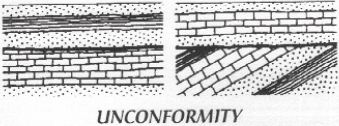
n: 1. lack of continuity in deposition between rock strata in contact with one another, corresponding to a gap in the stratigraphic record. 2. the surface of contact between rock beds in which there is a discontinuity in the ages of the rocks. See angular unconformity, disconformity.
n: A geological surface separating older from younger rocks and representing a gap in the geologic record. Such a surface might result from a hiatus in deposition of sediments, possibly in combination with erosion, or deformation such as faulting.
a geologic aged erosional removal from the top of a formation. Reservoir rocks below this surface may contain hydrocarbon deposits if the unconformity acts as a seal.
n: a loosely arranged, apparently unstratified section of rock.
n: The formation that containing lesser cementing material,and havent well solidated between mineral grains.
formations with insufficient cementing agents between the grains to stop movement of individual grains when fluid flows through the formation. Usually less than 2 to 10 psi compressive strength.
سازند سست
n: a sand formation in which individual grains do not adhere to one another. If an unconsolidated sand- stone produces oil or gas, it will produce sand as well if not controlled or corrected.
n: The formation that havent be damaged by drill fluid ,slurry and perforating fluid.
n: The formation that havent be damaged by drill fluid ,slurry and perforating fluid.
منطقه ی آلوده نشده
v: The fluid of well blow out uncontrolly,which usually appear at the condition of well head assembly are out of order.
hydrocarbon from unconventional and more difficult to produce resources such as (hydrocarbon): shale gas, shale oil, heavy and viscous oil, hydrates, tight gas, etc.
n: The drilling that the amount of pressure (or force per unit area) exerted on a formation exposed in a wellbore below the internal fluid pressure of that formation.Its advantage is have quick rate of drilling,and finding oil and gas formation readily,but h
n: (UIC) a program developed under SDWA to prevent injection well contamination of underground sources of drinking water. The UIC program divides injection wells into five classes (that range from common septic tanks to hazardous waste injection wells) and establishes specific requirements for construction, casing and cementing, plugging and abandonment, types of substances that can be injected, volume and pressures that can be injected, and mechanical integrity of the well.
a tool with downhole deployable arms and cutters that allow a larger hole to be drilled below a smaller opening.