نمایش نتیجه 1 تا 10 از 23 نتیجه یافت شده برای breathing:
n: diving in which a diver uses a normal atmospheric mixture of oxygen and nitrogen as a breathing medium. It is limited to depths less than 190 feet (58 metres) because of the dangers of nitrogen narcosis;however, dives with bottom times of 30 minutes or less may be conducted to a maximum of 220 feet (67 metres).
v: to move with a slight, irregular rhythm. Breathing occurs in tanks of vessels when vapours are expelled and air is taken in. For example, a tank of crude oil expands because of the rise in temperature during the day and contracts as it cools at night, expelling vapours as it expands and taking in air as it contracts. Tubing breathes when it moves up and down in sequence with a sucker rod pump.
n: see tubing movement.
n: in systems supplying a breathable source of air to workers wearing breathing equipment in a toxic atmosphere. a serial connection of air cylinders in which the output of air from one adds to that of the next.
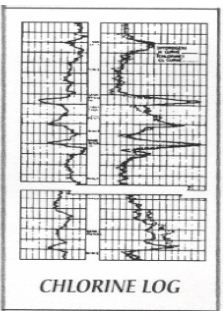
n: a greenish-yellow, acrid gas (CI) that irritates the skin and mucous membranes and causes breathing difficulties. chlorine log n: a record of the presence and concentration of chlorine in oil reservoirs. See chlorine survey.
n: a profile of ascent rates and breathing mixtures that safely reduce the pressure on a diver to atmospheric after a dive. The table shows depths, bottom times, decompression stops, and total decompression times.
n: the part of the opencircuit diving system that allows a diver to expel all used air directly into the water and avoid rebreathing exhaled carbon dioxide. The regulator reduces the air pressure in the tanks to a divers ambient pressure so that he or she can breathe the air with no resistance. Also called open-circuit regulator.
n: a self-contained breathing apparatus that is used only for escape to a safe area. This self-contained breathing apparatus, when properly serviced, furnishes a 5- to 15-minute supply of breathing air. Emergency escape units may have masks or hoods. Also called egress unit. Compare work unit.
n: an electronic device that lowers the voice of divers breathing helium as part of their breathing-gas mixture so that the surface crew may understand them.
n: a flammable, colourless gaseous compound of hydrogen and sulphur (H2S),which in small amounts has the door of rotten eggs. Sometimes found in petroleum, it causes the foul smell of petroleum fractions. In dangerous concentrations, it is extremely corrosive and poisonous, causing damage to skin. eyes, breathing passages, and lungs and attacking and paralysing the nervous system, particularly that part controlling the lungs and heart. In large amounts, it deadens the sense of smell. Also called hepatic gas or sulphureted hydrogen.
سولفات هیدروژن